COB LED track lights and focus variants
Sampo offers COB track lights, including adjustable-focus and dimmable variants. Select the head around the intended accent task, then confirm the light, control and rail details for that particular model.
Request a track light quotation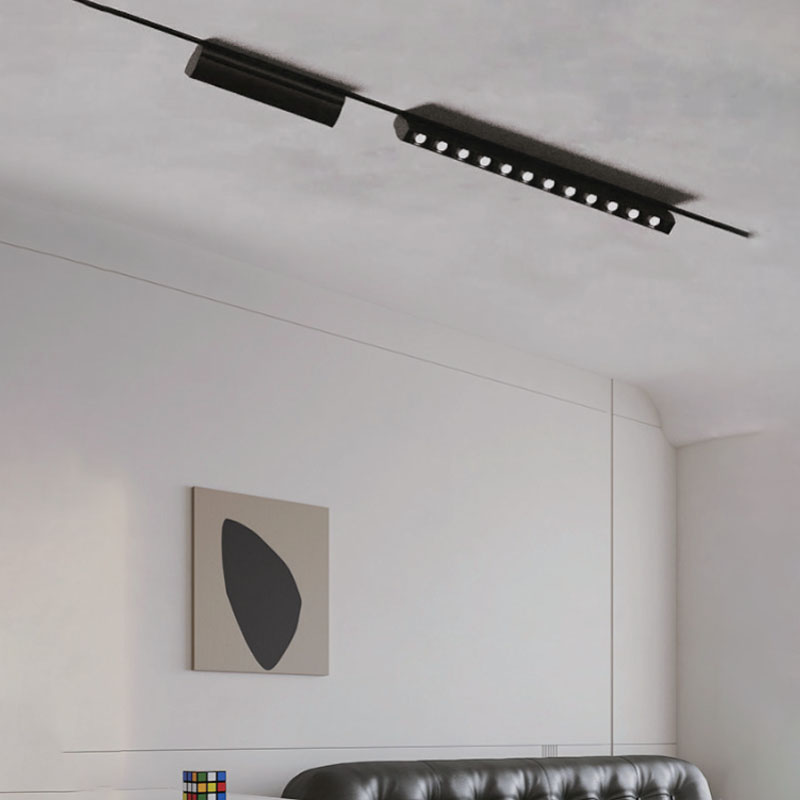
COB as an integrated-light choice
COB heads use a module-based light-source arrangement rather than a replaceable lamp purchase defined only by a familiar base. Ask for the selected head's light-source and service information with the quotation. An integrated head changes the purchasing conversation because the source, optic and surrounding assembly are considered together. Think about how the installation will be maintained if its lighting needs change or a component requires attention. That operational question belongs beside appearance and accent quality, helping buyers compare an integrated arrangement with a replaceable-lamp route on a consistent practical basis.
Adjustable focus in the range
Adjustable-focus variants exist in the COB range, giving buyers a specific feature to raise when the illuminated patch needs attention. Describe the target size and ask for the available focus behaviour of the proposed model.
A changing display benefits from a description of its narrowest and broadest intended arrangements. The important question is how the light should relate to the merchandise in each state, rather than whether the head simply has a moving optical part. Photographs of the target arrangements can make a focus discussion more concrete and reveal where coverage or spill becomes undesirable.
Dimmable variants need control detail
Dimmable COB variants are part of the offer, while the suitable control arrangement remains model-specific. Include the intended dimmer or control requirement and request the relevant model information. Dimming should be evaluated in the context in which people will use it. A head that appears suitable in a bright demonstration may behave differently from the desired evening atmosphere when grouped with the room lighting. Describe the normal operating sequence and the surrounding light, giving the control discussion a clear purpose beyond the presence of a dimmable product label.
Optics versus the ceiling layout
The optical choice shapes the lit area, but track position and head aiming also determine where that light falls. Send a ceiling plan or a marked photograph together with the desired accent task.
A beam description becomes more useful when tied to a mounting position. Moving the track changes the relationship between the source and target, which can change the visual result even if the optic stays unchanged. Mark the likely ceiling position and the target surface together so a proposed COB head is discussed against a coherent layout rather than an isolated distribution preference.
Confirm the adapter and supply
A COB module does not establish a match with a particular rail, wire system or voltage. Identify the rail and ask for confirmation of the intended head and adapter pairing. Replacing an integrated head still requires identification of the equipment at the top of the assembly. Keep the existing rail information separate from the source description and avoid relying on the shape of the cylindrical body. An annotated photograph showing the adapter and its relationship with the track can help technical staff focus on the connection that determines the intended system pairing.
Read grille-style imagery carefully
A multi-point grille module illustrates a different visible arrangement from a single cylindrical spotlight head. Describe the preferred format and request the appropriate model information rather than deriving specifications from the image.
Several light points in a grille-like arrangement can suggest a calmer ceiling appearance, but the image alone cannot explain their operation. Identify whether the interest is in the visible form, the target coverage or the possibility of directing separate accents. Those are different design intentions, and stating the priority helps turn an appealing reference photograph into a useful product discussion.
Match visual priorities to model details
Power, colour temperature, colour rendering, beam angle, material and finish all require per-model confirmation. Prioritise the visual characteristics that matter to the merchandise or artwork before comparing the outer body. Visual priorities often compete when a room combines merchandise, polished finishes and customer circulation. The preferred head should be considered from the target and from the viewer's position, with attention to what remains visible overhead. A clear description of those priorities lets the comparison focus on relevant model details rather than assuming that every integrated spotlight will produce the same interior effect.
Prepare a COB comparison schedule
A useful comparison records the requested variant, rail details, intended control, quantity and market for each head line. Ask for the exact model's data and its applicable CE and RoHS files during evaluation.
A comparison schedule can keep fixed requirements beside the features still being explored. Mark whether focus adjustment, dimming or a particular body appearance is essential to the project, then record how each proposed head addresses it. This allows technical differences to remain visible when commercial offers arrive and makes it easier to discuss alternatives without losing the original accent lighting objective.
The same head under another name
A track cob light is the same purchase described in the opposite word order: an integrated-source head for a track system, not a separate product family. Use whichever term your own catalogue uses, and tie the enquiry line to the complete-light or variant scope you actually need. The terminology matters because search results and supplier catalogues mix the two word orders freely, and a comparison built from both lists can double-count one family or drop it entirely. What defines the purchase is unchanged: an integrated light source whose service route runs through the module and head rather than a lamp change, a supplied form that is either a complete head or a defined variant such as an adjustable-focus or dimmable version, and an adapter that must match the identified rail. Record the term your team uses beside those three facts, and the quotation that returns can be checked against the same comparison schedule as every other COB line.