Adjustable track lighting: aim, swivel and focus
Adjustment can mean changing direction, changing the beam or moving a head along a suitable rail. Those are different operations, and a buying brief should identify which one the room actually needs.
Review the buying questions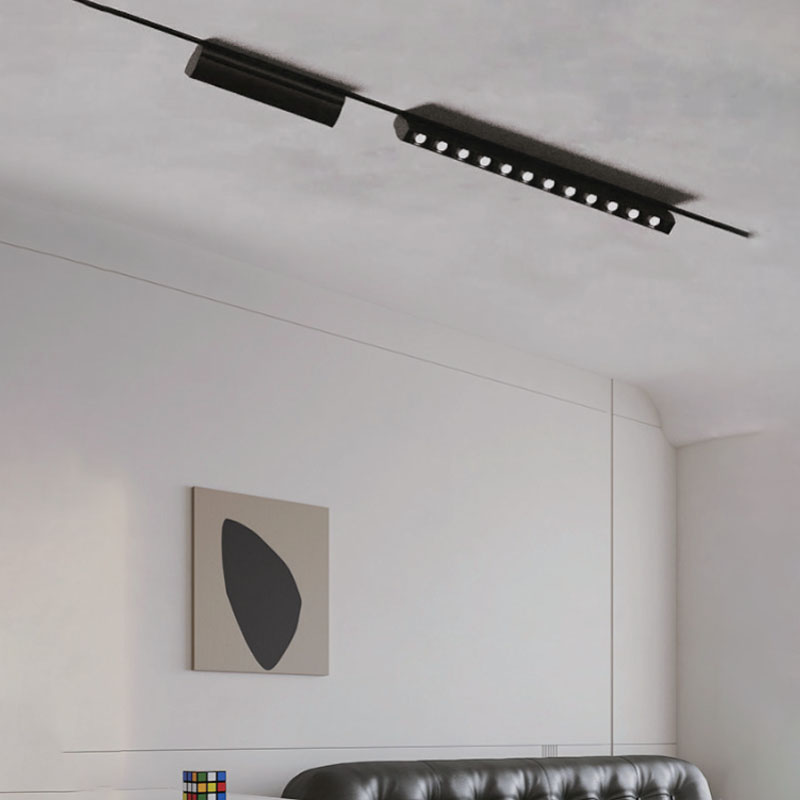
Tilt is not the same as swivel
Tilting changes the head's elevation while swivelling redirects it around another axis. Check the required aiming path rather than asking only whether the head is adjustable. A head can have several moving joints without following the path the room needs. Consider the target from the actual mounting position and trace how the body must turn to face it. This reveals whether the important requirement is elevation, sideways direction or both, giving the adjustment discussion a practical reference beyond the presence of a joint in a product photograph or sketch.
Focus changes the illuminated patch
A focus-adjustable optic can alter the light distribution without changing the target position. Ask about the optical adjustment available on the specific proposed head.
Changing the light patch can help a stationary display take on different shapes, but the desired boundaries should be described clearly. Show which surrounding surfaces should remain less prominent and where the illuminated area needs to extend. That information gives an optical adjustment discussion a purpose, helping buyers distinguish useful focus control from movement that changes the appearance of the optic without addressing the display task.
Movement along the rail
Repositioning a compatible head can help when a display moves, but it is separate from aiming the head itself. Ask about the correct repositioning procedure for the identified track system. Moving a head changes its position relative to the target and to the electrical track. Treat that operation as a system procedure rather than a casual adjustment of the body. An interior that frequently relocates furniture needs a clear understanding of how lighting changes will be performed and by whom, so the flexibility discussed during purchasing translates into an appropriate routine after the installation is in use.
Clearance before appearance
A compact-looking head can still have an awkward adjustment path beside a ceiling obstruction. Consider the body and joint at the final aiming position.
Clearance should be checked through the motion and at the final aim. A body may fit comfortably below the ceiling while its joint or rear section meets an obstruction during adjustment. Include nearby beams, services and neighbouring heads in the sketch so a compact appearance is assessed against the real space available for directing the light after the system has been installed and furnished.
Aiming from the viewer's position
The best-looking beam on the target may create glare along an approaching sight line. Review the head from the usual viewing and circulation positions. Aiming from a ladder can hide the view that matters to customers and occupants. Walk the usual approach routes and inspect the head from seated positions where relevant, then compare that experience with the intended target lighting. This connects adjustment to visual comfort and helps identify an aim that highlights the object without leaving the source unnecessarily prominent along common sight lines in the room.
Separate repeatable settings from guesswork
Changes are easier to manage when the target and desired effect are recorded in a usable lighting note. Mark the intended objects and keep a simple reference photograph after an approved aiming session.
A repeatable lighting note should describe the target relationship in terms another person can recognise. Record the object position and the intended visual effect alongside a reference image after aiming is agreed. When the display returns, staff have a useful starting point for adjustment rather than relying on an undocumented memory of how the joints looked during a previous installation or seasonal merchandising change.
Several light points need a shared purpose
A multi-point module can create several accents, but each direction still needs a task. Ask how the proposed format accommodates the intended target arrangement. Separate light points can create visual clutter if their directions are chosen without a shared plan. Decide which objects deserve attention and how their accents should relate before discussing the adjustment of each point. This lets a multi-point format serve the display arrangement coherently and gives the buyer a clearer basis for evaluating whether the proposed head geometry supports the intended targets in that ceiling location.
Describe the needed movement
A quotation request should distinguish directional adjustment, focus adjustment and rail repositioning. Send the target layout and ask for the movement details of the proposed head.
Flexibility is easier to discuss when it is described as a change in the room. Explain whether objects move, displays widen or the same scene needs a different viewing emphasis. Those examples reveal which kind of adjustment matters and help the discussion with Sampo stay tied to a real use, rather than comparing products through an undefined promise of being broadly adjustable for any future lighting task.
Discuss adjustable track lighting: aim, swivel and focus with Sampo
Show Sampo the target direction and any obstruction that limits the existing aim, together with the rail identification.
Ask Sampo about fit