Track lighting applications and systems: head selection
Sampo serves track-light enquiries for shops, restaurants, hotels, galleries, exhibition spaces, museums, offices and homes. Select the head around its lighting role and confirm the specific model and rail match.
Request a track light quotation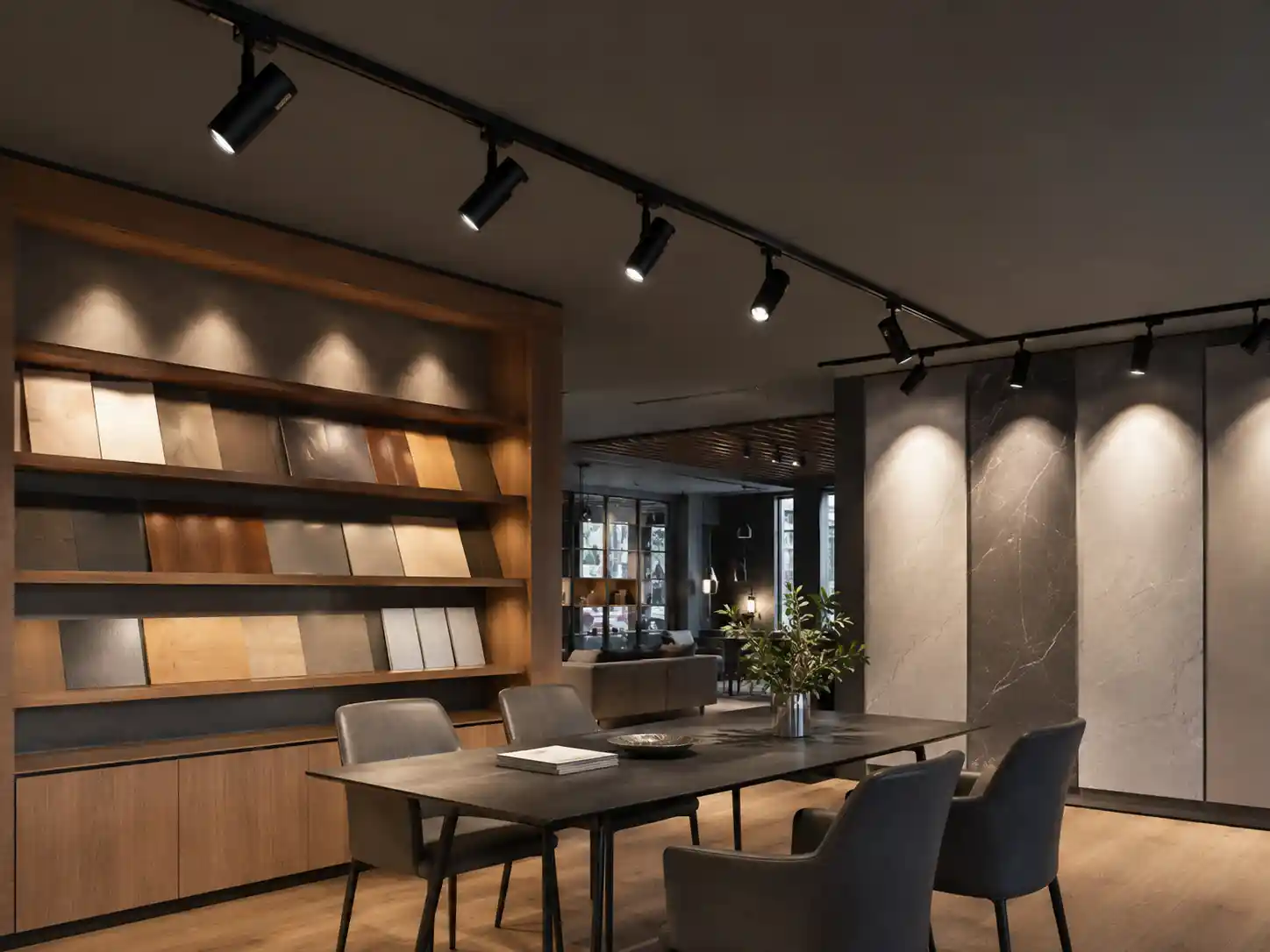
Retail displays need distinct accents
Track spotlights can be considered around merchandise, shelves and feature areas in a shop. Identify the products that need attention and describe how the display changes. Merchandise changes can alter the useful aiming direction even when the rail remains in place. Mark which displays move regularly and which are fixed, then explain the desired emphasis on each. This gives the head enquiry a connection to the retailer's merchandising routine and helps separate useful adjustment requirements from features that merely look flexible in an isolated product image on a catalogue page.
Restaurants balance tasks and atmosphere
A restaurant brief can distinguish display accents from general room and table lighting. Explain the intended head role and any desired dimming requirement.
The accent should be assessed within the restaurant's occupied setting. Table positions, circulation and the evening background all affect whether a feature feels comfortably visible or overly prominent. Include those relationships when describing the head role, so a product discussion about an illuminated object does not ignore the people sitting nearby and looking toward it throughout an ordinary meal or service period in the room.
Hotels contain several visual tasks
Reception areas, circulation, displays and room features can create separate head-selection questions. List each application line rather than giving the entire hotel one generic lighting description. Divide the hotel request according to what visitors and staff do in each area. A reception feature, display cabinet and circulation point can have different priorities even when a consistent body style is desired. Keeping those roles identifiable supports clearer model comparisons and avoids letting a single visual theme stand in for the distinct lighting tasks found across the interior and its various patterns of daily use.
Galleries and museums prioritise the object
Artwork and exhibits call for attention to the desired beam and viewing direction. Ask for the relevant model information and identify the object or surface being lit.
An exhibit should be described through its surface, form and viewing position rather than just the room category around it. Include glazing or reflective finishes that could affect the visible result. Such details make the model enquiry more useful and help establish which optical questions deserve attention for that object, without assuming that every work in a collection asks the same thing of the selected track head.
Exhibitions change their arrangements
An exhibition enquiry can involve changing targets and a need to identify appropriate head adjustments. Describe the likely display changes and the rail system being used. A changing exhibition benefits from a description of the likely variation in targets. Explain whether objects will move along the rail route, change height or occupy a different area of the display. These practical changes help define the required flexibility and keep the enquiry focused on adjustments that support the event layout rather than a broad request for equipment described simply as suitable for exhibitions in general.
Office and home head choices
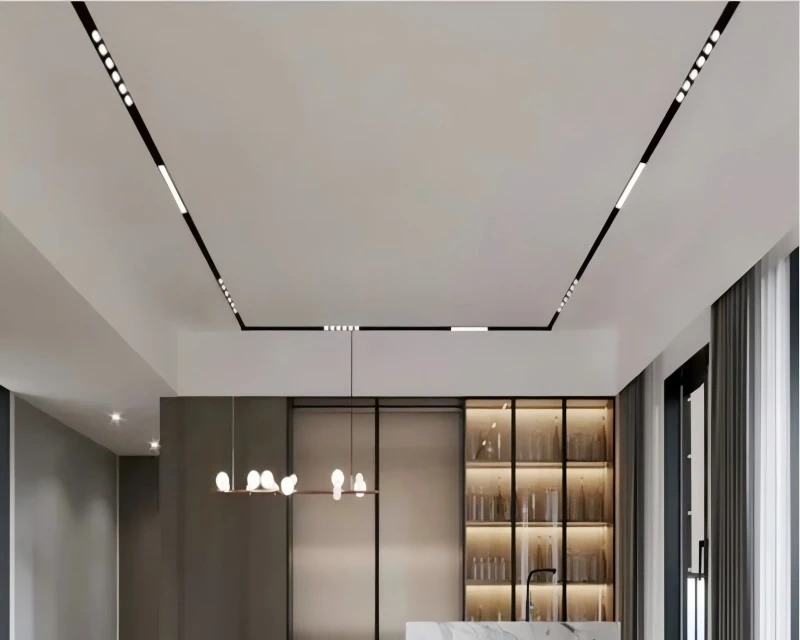
Offices and homes can combine task, accent and background lighting roles. Specify the role of the proposed head and the intended control arrangement.
Home and office tasks should be connected to their normal viewing positions. A working surface, display shelf and background wall may sit close together but need different head directions or control decisions. Show their relationships on the plan so the proposed lighting can be discussed through specific activities, rather than treating either building category as a complete description of the application that the selected head will serve after installation.
The offer form depends on the buyer
Distributors, contractors and retailers generally enquire about complete lights, while assemblers and brands may need housings. Keep complete-light and body requirements on separate quotation lines. Identify who completes the assembly before comparing commercial offers. An installation buyer and an assembler may use similar product names while expecting different supplied parts. Keeping the intended responsibility explicit helps the enquiry distinguish a finished-light requirement from a body requirement and makes the comparison reflect the actual work that remains once the ordered goods arrive, rather than the superficial resemblance of the catalogue images used to start the conversation.
Bring the application to the model enquiry
The range includes GU10, MR16, COB and E27 PAR20/PAR30 families with details confirmed per model. Send the application, holder preference, rail information, quantity and destination market.
Use the application to explain the desired outcome, then retain the model and rail questions as separate purchasing decisions. A display photograph can show the target while identification images show the existing system. Together they support a clearer request than either attachment alone, helping the technical and commercial participants discuss the same head requirement without confusing the room's visual priorities with evidence of compatibility or model performance in use.