Linear track lighting versus LED strip light
Linear track luminaires put an elongated light-emitting form on a track system. They can soften a run of individual spotlights, but they should be distinguished from LED strip lighting and its installation components.
Review the buying questions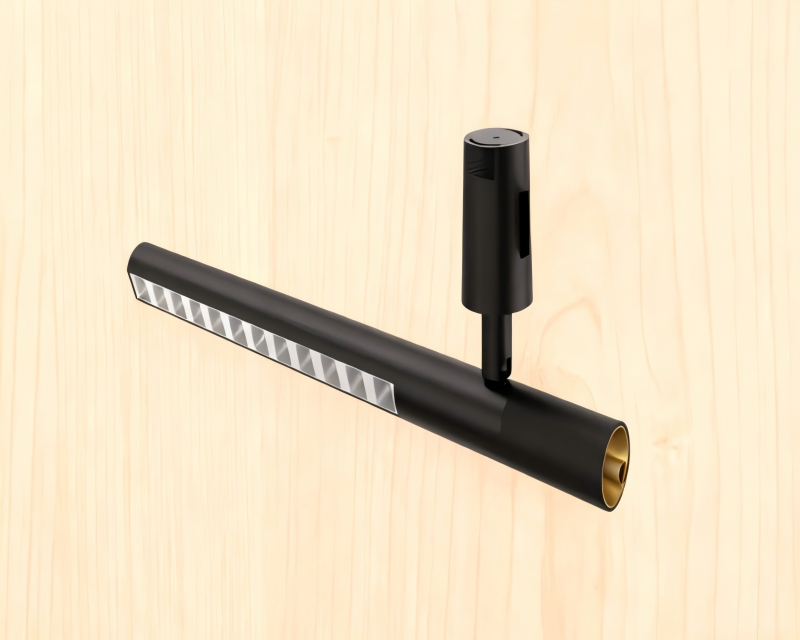
A bar luminaire on track
A linear track bar is a luminaire format connected to a suitable rail rather than a length of bare flexible strip. Ask about the complete bar assembly and its rail interface. A visible bar should be assessed as a complete lighting object, including its optical face, connection and place in the ceiling. Its elongated shape can support a quieter composition, but that appearance alone says little about the light reaching the room. Describe the task below the bar so the proposed assembly can be considered alongside the visual rhythm that initially attracted the buyer's interest.
The explicit strip-light distinction
LED strip light generally belongs to a different assembly approach involving strip, profile, supply and installation details. Compare the actual supplied systems rather than grouping both under the word linear.
Strip installations and track bars involve different component conversations even when both create elongated light. A concealed cove needs attention to the surrounding architectural detail, while a visible bar needs attention to the complete luminaire and track. State which result the project is pursuing so the purchasing discussion addresses the right assembly rather than carrying assumptions from one lighting approach into another unrelated arrangement.
Light distribution along the room
An elongated source can distribute light differently from a single accent head, depending on its optic. Ask for the proposed luminaire's distribution information and consider the surfaces being lit. The surfaces that need light should guide evaluation of an elongated luminaire. A desk, a wall and a circulation route present different useful directions, so an apparently continuous source is not itself a complete distribution decision. Show the working positions and surrounding surfaces on the layout, giving the proposed bar a practical lighting role against which its model information can be discussed and assessed.
Mixing bars with spotlights
A linear format and a spotlight can serve complementary roles without being electrically interchangeable. Identify the formats separately and confirm the suitable common system if one is proposed.
Mixed formats work best when the lighting roles are visible in the plan. A bar can contribute to the room's broader light while separate accents draw attention to merchandise or features. Keeping those purposes distinct helps the buyer discuss both the shared visual composition and the individual interface requirements without assuming that equipment with a similar mounting appearance belongs to the same complete electrical arrangement.
Joints and visual rhythm
The spaces between linear elements affect how continuous or segmented a ceiling arrangement appears. Review a ceiling elevation or layout before choosing the visible bar arrangement. Gaps between luminous elements can become a strong part of the ceiling pattern. Consider how the run begins and ends, where it changes direction and how it aligns with nearby architecture. That wider view helps turn individual bar selections into a coherent arrangement, avoiding an accidental rhythm caused only by fitting available shapes into spaces left over from an earlier ceiling or furniture plan.
Comfort below a broad source
A larger visible luminous area changes the way a ceiling light is perceived from desks and circulation routes. Assess viewing angles and request the optical details of the intended bar.
A broad luminous face may be seen for a long time from a seated working position. Review the direction people face and the contrast between the source and ceiling when considering comfort. This adds a useful human view to the plan, helping the discussion of the intended optic address the room as experienced rather than only the appearance of the bar when photographed from below.
Rail and control questions remain
A linear shape does not identify the rail voltage, wire system or control method. Request the exact interface and operating requirements for the proposed assembly. An elongated form can disguise the same unresolved system questions that arise with compact heads. Identify the rail and intended control arrangement before discussing a new bar as an addition to an existing installation. Keeping these details attached to the proposed assembly prevents a strong visual preference for a continuous line from being mistaken for evidence that the retained equipment can accommodate the selected lighting format.
Specify the bar as an assembly
A useful linear-lighting brief includes the role, layout, desired control and identified track system. Ask about the appropriate available model instead of inferring specifications from a photograph.
A bar enquiry should distinguish the visible light-emitting assembly from the supporting rail and accessories. Explain where it sits in the layout and what role it performs, then keep the connection questions beside that description. This gives the commercial discussion a useful boundary and helps the buyer compare proposals without accidentally combining a complete luminaire offer with a narrower component or rail-only description from another source.
Discuss linear track lighting versus led strip light with Sampo
Mark the length and position of the surface to be lit when discussing a suitable head format with Sampo.
Ask Sampo about fit