Track light housings, bodies and fittings
Sampo supplies GU10 and MR16 housings, E27 bodies, and structural parts discussed from drawings or samples. These offers are for assemblers and lighting brands and remain separate from complete track lights.
Request a track light quotation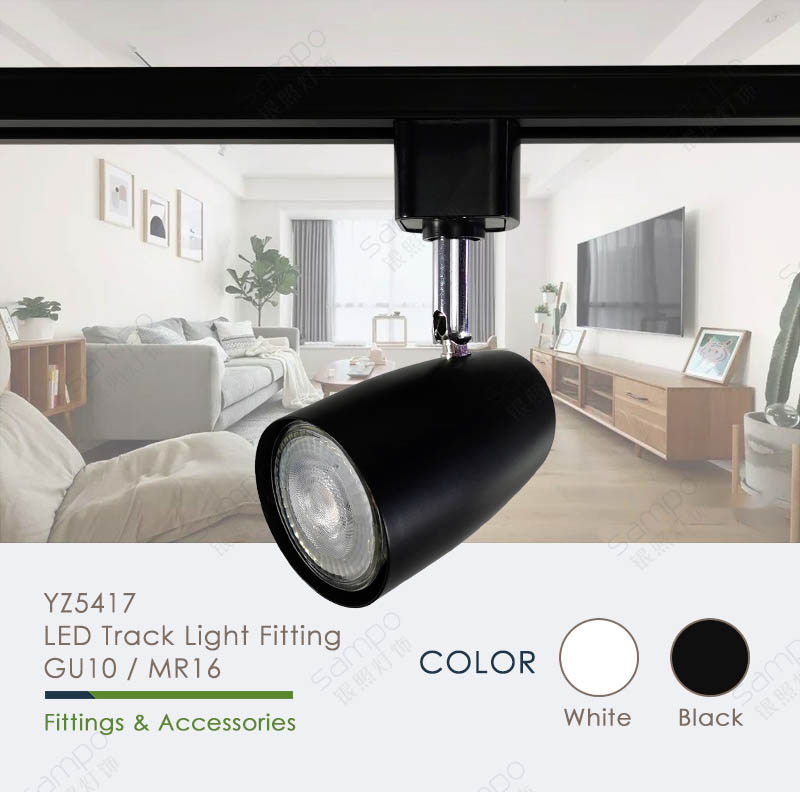
A housing is its own purchase
An enclosure order has a different scope from a complete-light order intended for installation. Label the enquiry as a housing, body or structural-part request. A body purchase belongs to an assembly process rather than directly to a ceiling installation. Assess what the receiving team will add, how those parts will be fitted and which features must remain accessible. This makes the housing enquiry more useful than a request based only on exterior shape, because the discussion follows the work needed to produce the intended finished lighting assembly.
Define the included components
The requested body can involve several structural interfaces that should be identified before quotation. Mark the desired parts on a drawing and distinguish supplied components from buyer-supplied items.
Component boundaries should be written so that a colleague can check the delivery without interpreting a photograph. Identify the enclosure, retention parts and any requested fittings separately, then relate them to the assembly drawing. This helps a buyer compare scope accurately when offers use different descriptions and gives the receiving team a clearer record of what the body order was intended to contain.
Drawings establish the conversation
Made-to-drawing or sample work needs a clear starting object and a description of the requested change. Send the current revision and identify the assembly surfaces that matter to the finished product. A drawing can communicate an interface more clearly than a long description of the overall shape. Mark the areas that locate adjoining parts and distinguish them from surfaces chosen primarily for appearance. During sample review, connect each observation to the relevant location so changes can be discussed precisely rather than using general comments that might affect another feature of the housing by accident.
Holder family separates body lines
GU10 housings, MR16 housings and E27 bodies belong to different enquiries rather than one undifferentiated enclosure list. State the intended light-source arrangement and body family in each request.
Holder choice gives the housing discussion a practical starting point because the surrounding assembly must accommodate the intended lamp arrangement. Keep the holder description with the drawing and sample notes rather than relying on the appearance of the front opening. This allows the assembly team to discuss the relevant body family while preserving separate questions about internal parts, access and the proposed finished product.
Materials depend on the model
Aluminium alloy and flame-retardant PC are material options by model in customisation discussions. Request the material details for the selected body and describe the intended assembly context. Material selection should be considered against the function of the particular part. The main body, a retention feature and a visible trim can face different assembly and appearance requirements. Ask about construction at that level of detail so a broad material preference does not become an unsupported assumption about every component included in the proposed housing or its accompanying fittings for assembly.
Finish and colour as assembly inputs
Black, white, grey, project colours, powder coating and baked paint can be discussed for custom work. Provide a colour reference and distinguish appearance requirements from the functional assembly interfaces.
Finish enters the assembly process through handling as well as appearance. Think about which surfaces remain visible after the product is built and which contact neighbouring parts during assembly. A sample discussion can then focus on the areas that affect the finished appearance while also clarifying how the requested colour and sheen should be described across the body and any associated visible components.
Branding and packaging are separate decisions
Packaging and branding arrangements are agreed per project and should accompany the body specification. Identify the product presentation requirements without mixing them into the structural drawing. Brand presentation and protective packaging serve different purposes and deserve separate decisions. A printed identity may support retail recognition, while the packing arrangement needs to account for how bodies are stored, moved and assembled. Describe the intended handling route alongside the visual requirements so packaging discussions remain connected to the actual supply chain rather than being treated only as a graphic styling exercise.
From sample review to a defined order
The OEM/ODM process moves through brief, drawing or sample review, quotation, sample, production, inspection and dispatch. Confirm the requested assembly scope and sample review points before proceeding with the order.
Sample feedback is most useful when it records an observed issue and the intended outcome. A comment about assembly access should identify the affected step; a comment about finish should identify the surface and viewing condition. Keeping those notes linked to the relevant drawing helps the purchasing discussion progress toward a defined body order without letting informal preferences become ambiguous changes to the product arrangement.