E27 PAR20/PAR30 track lights and bodies
Sampo supplies E27 PAR20/PAR30 track lights and bodies. Keep the screw-base lamp choice, enclosure choice and rail adapter match together when defining a complete-light or body enquiry.
Request a track light quotation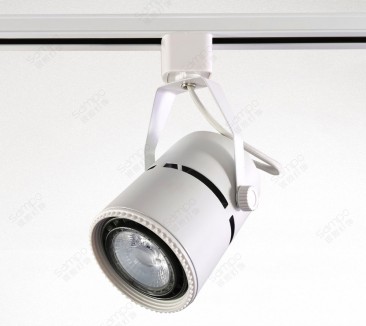
Two purchase routes for E27 heads
E27 lights and bodies serve finished-light buyers and assembly buyers with different requirements. Indicate whether the request is for a complete head or a body intended for further assembly. Complete heads and bodies enter different workflows even when the intended lamp format is shared. A finished-light purchase should describe the proposed installation, while a body purchase should describe the assembly that follows. Keep that distinction visible throughout an E27 enquiry so changes to packaging, finish or lamp choice do not blur which components belong in the commercial offer.
PAR20 and PAR30 as format questions
The intended PAR lamp format affects how the lamp sits inside the enclosure and how the head appears when aimed. Identify the lamp format and ask for the relevant head details rather than selecting from a front-view photograph alone.
The lamp envelope affects the space around the holder as well as the front appearance of the head. Consider how the intended PAR form sits within the enclosure and how it can be inserted or removed. A photograph of the chosen lamp beside its identification gives the discussion a more reliable starting point than using the base description as a complete dimensional specification.
Screw-base flexibility and its limits
A screw-base format makes lamp selection a distinct purchasing decision, but physical and electrical suitability still matter. Ask about the intended lamp arrangement, access and retention for the exact model. A familiar screw base can make a replacement feel straightforward while leaving other requirements unresolved. The surrounding enclosure, access and intended operation still matter to the complete assembly. Assess the lamp in its actual head context rather than treating the ability to engage the base as proof that every other aspect of the replacement will suit the intended lighting application.
Bodies for a brand assembly
E27 bodies can be discussed as a separate offer alongside structural parts made to drawing or sample. Supply assembly information and mark which features the requested body needs to preserve. An assembly brief should show where the purchased body meets the parts supplied by the brand. Include access openings, retention features and visible junctions in the sample discussion. That practical boundary helps the assembler assess whether the enclosure supports its planned build, while keeping questions about lamp selection and branding distinct from the structure being purchased for the lighting product itself.
A lighting brand has its own lamp package and needs a housing that aligns with its intended finished-product presentation.
Keep the rail interface explicit
The E27 lamp base does not identify the rail wire system or the voltage match for the intended head. Include rail labels and adapter views when asking about a replacement or a new installation. A screw-base lamp choice does not identify the contacts or locking arrangement at the rail. Keep the connection photograph beside the project location, especially where a refurbishment retains old ceiling equipment. This gives the technical discussion a traceable installation context and helps prevent a correct lamp-format choice from concealing an unresolved question about the proposed head's pairing with the track.
Finish and material by model
Project colours, black, white and grey can be discussed, with powder coating or baked paint arrangements where appropriate. Ask for the selected model's material and finish information and supply a reference for a custom colour request.
A metallic appearance can come from different combinations of substrate and surface treatment. Separate the desired look from the construction details in the enquiry, and show where adjacent parts must coordinate. A physical appearance review can then consider the assembled head in context, while the model information addresses the underlying material without assuming that a colour name establishes either property.
Define the accent task before comparing
Beam, colour and adjustment requirements affect the model enquiry even when the lamp base is already decided. Describe the target, viewing direction and intended lighting role along with the holder family. The illuminated object determines which questions deserve attention before comparing bodies. A broad merchandise grouping, a menu board and a decorative object present different target shapes and viewing situations. Describe that use clearly so lamp format and head appearance are considered alongside the desired accent, rather than allowing a familiar PAR name to stand in for the whole lighting brief.
A clear PAR head quotation request
A complete enquiry distinguishes PAR20 or PAR30, finished light or body, rail details, quantity, market and any customisation. Ask for the relevant model files and clarify the intended lamp scope on the quotation.
Commercial clarity improves when the lamp, body and rail questions appear together without being merged. Give each quotation line a recognisable reference code and keep attachments tied to it. A buyer can then see whether an alternative changes the intended lamp format, supplied assembly or connection, instead of discovering those differences only after comparing apparently similar descriptions of an E27 track head.